

Upcoming 200-Hr Yoga TTC – October 2026 Know More

500-hour yoga teacher training ॐ” intensive study at Jeevmoksha Yoga Rishikesh

500 Hour Yoga Teacher Training In Rishikesh

500 Hour Yoga Teacher Training in Rishikesh, India

Jeevmoksha Yoga Gurukul offers 500-hour yoga teacher training in Rishikesh, accredited by Yoga Alliance. This certification supports eligibility to register as an RYT 500. If you teach after completing the course, you may progress toward E-RYT 500 when you meet Yoga Alliance’s teaching-hour requirements.

The 500-hour certificate recognises your successful completion of 500 hours of residential yoga teacher training with us.

500 Hour Yoga Teacher Training in India

When it comes to yoga, practice is central. Your practice shapes what you gain. Our 500-hour YTTC in Rishikesh gives you an extended immersion—more than seven weeks—to work deeply on body, breath, mind, and heart. Many students leave with stronger will, steadier mind, fuller breathing, and a more supple, resilient body.

Yoga points toward freedom: from inconsistency, draining habits, fixations, and self-limiting patterns. In this training we explore that freedom together while honouring the transition as part of the path. The programme is about renewal of body, mind, and lifestyle—an invitation to step in without postponing what calls you.

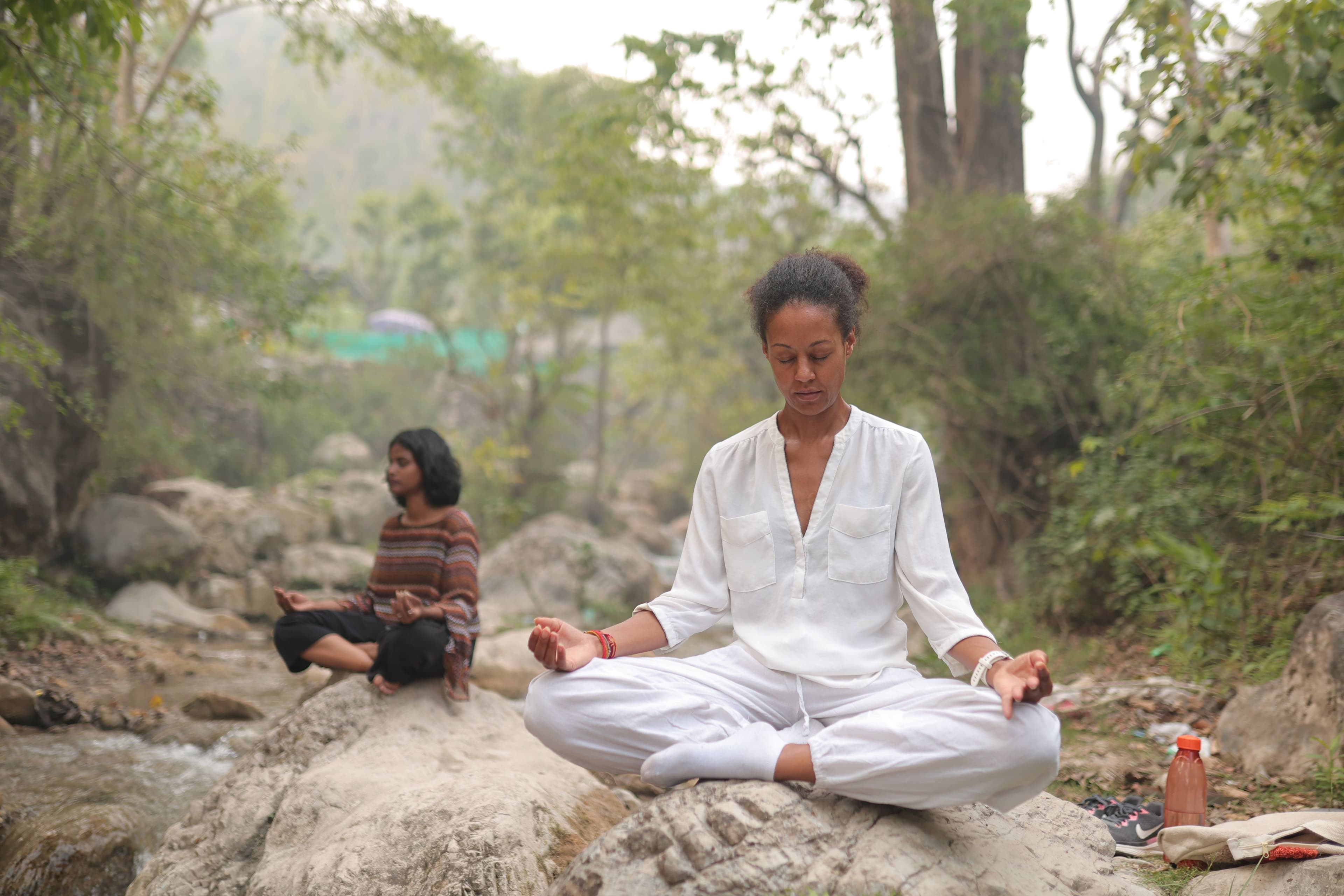
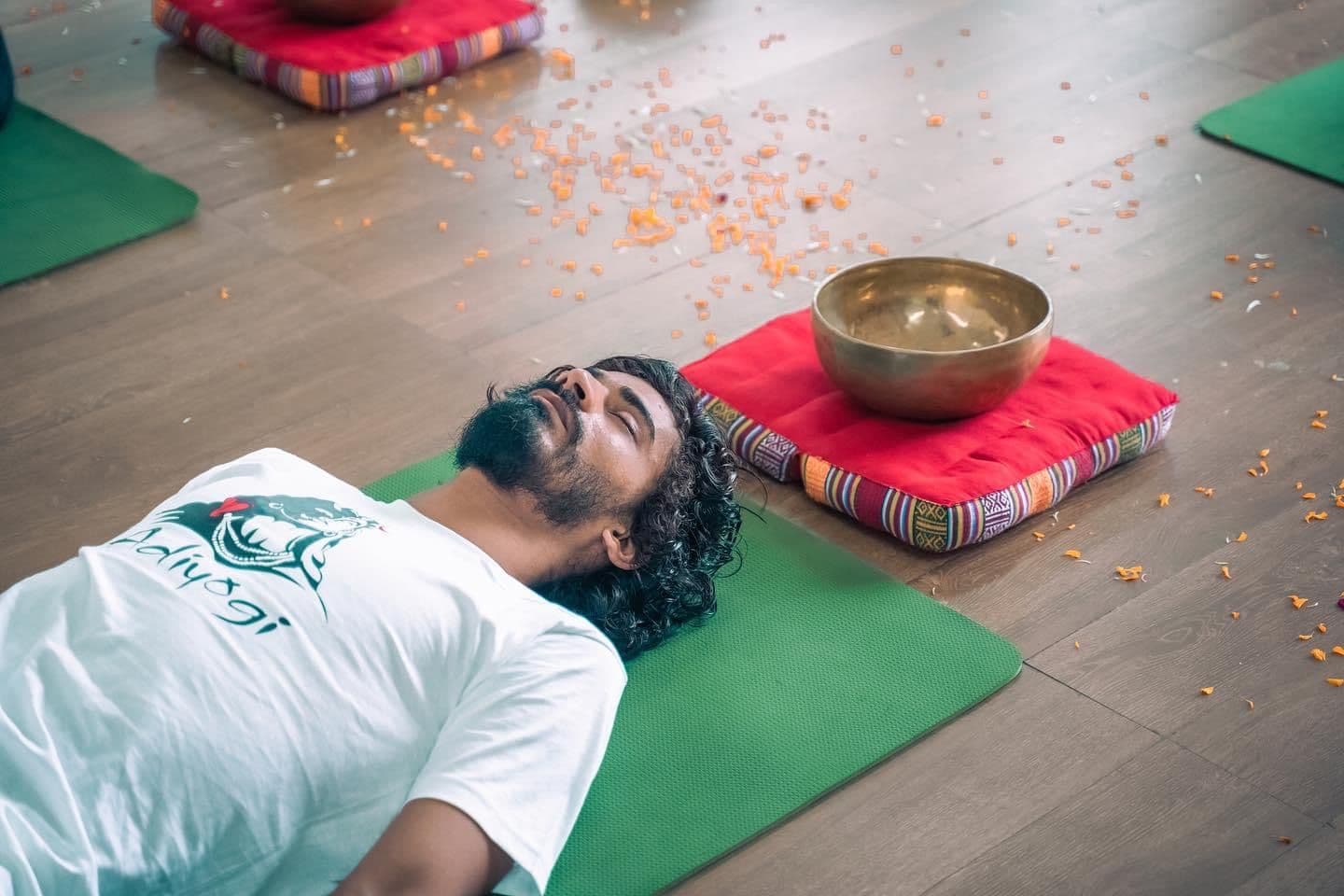
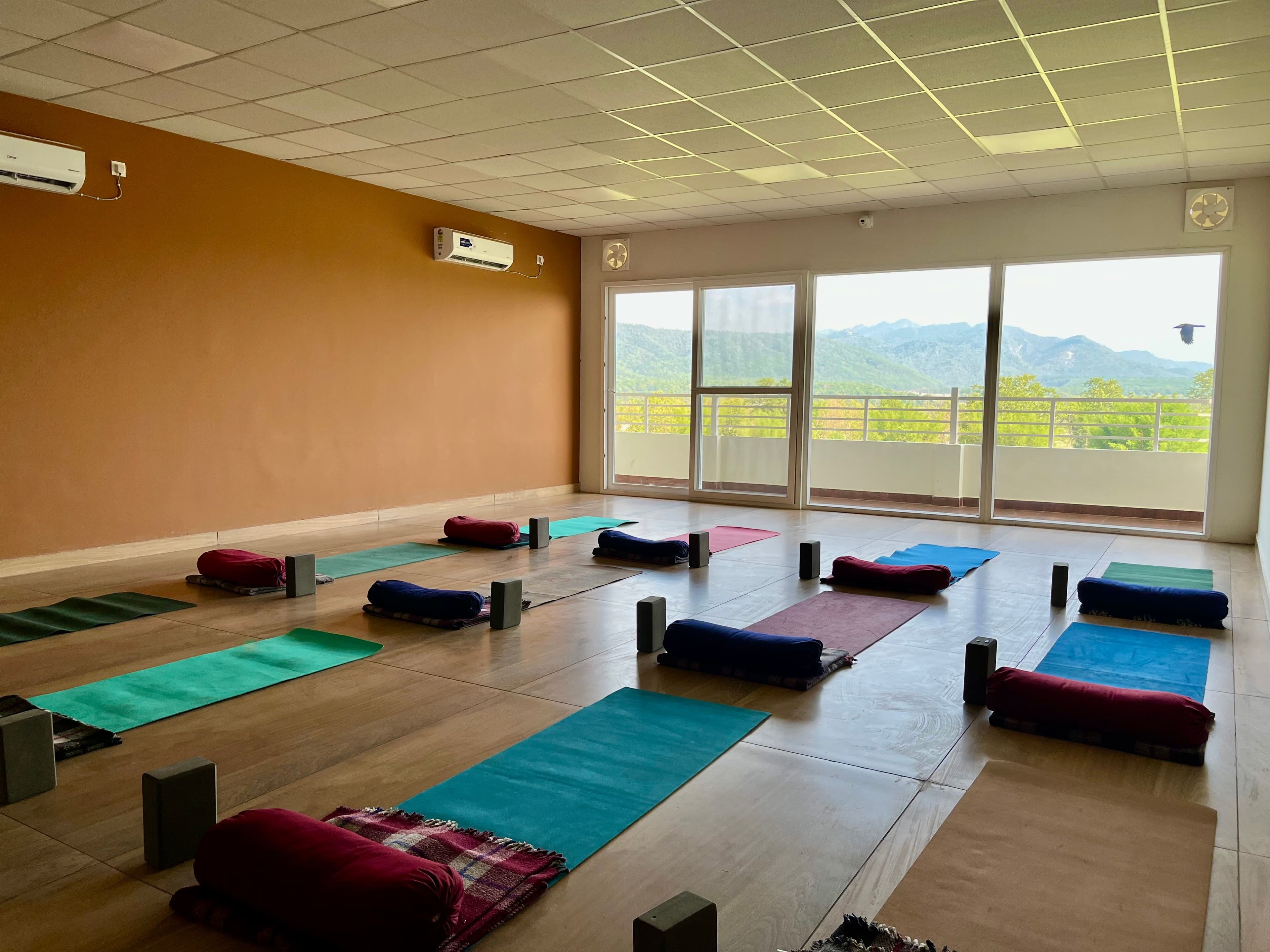
Yoga training setting
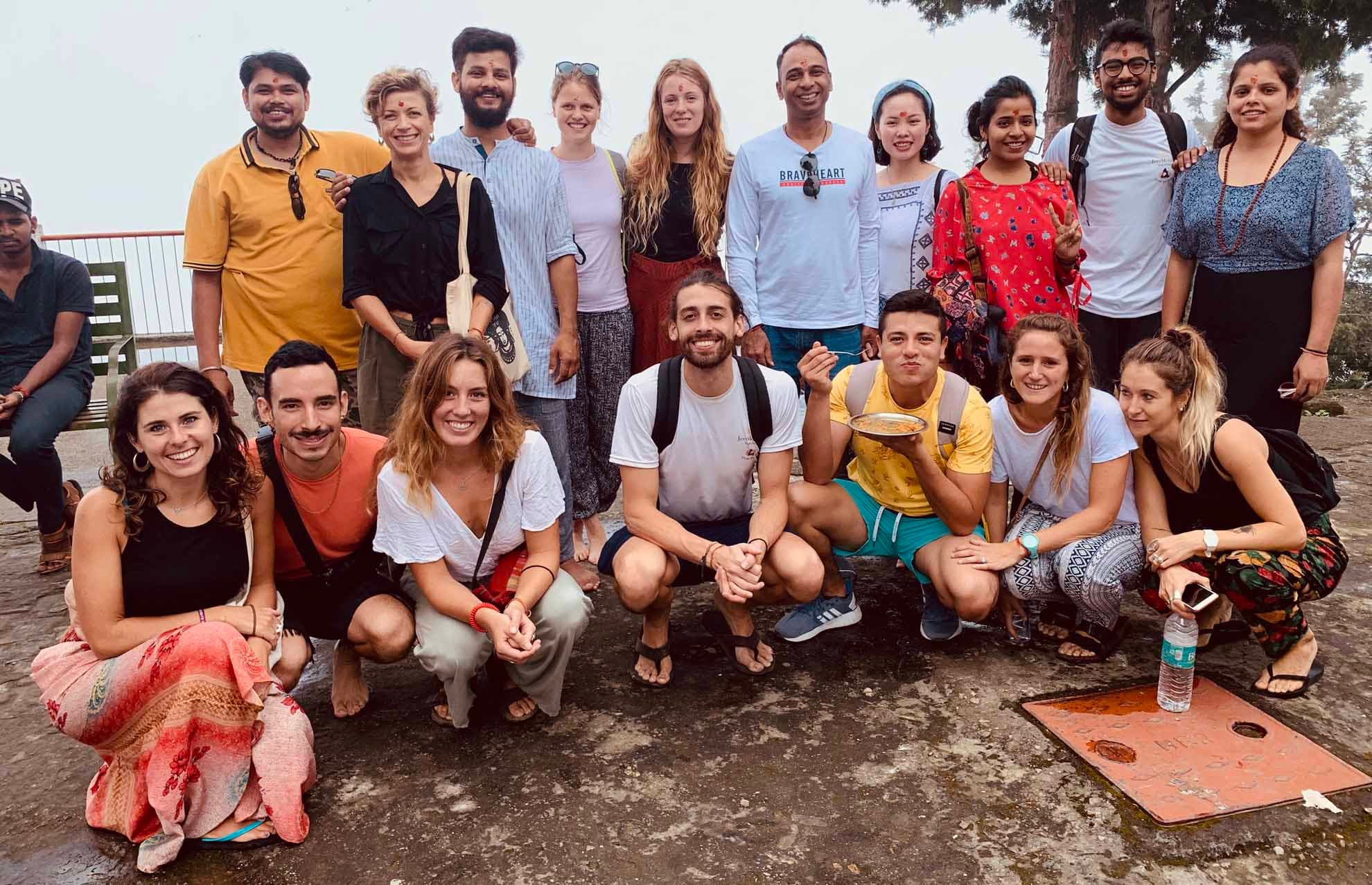
Group yoga practice
500 hour yoga teacher training accommodation and practice
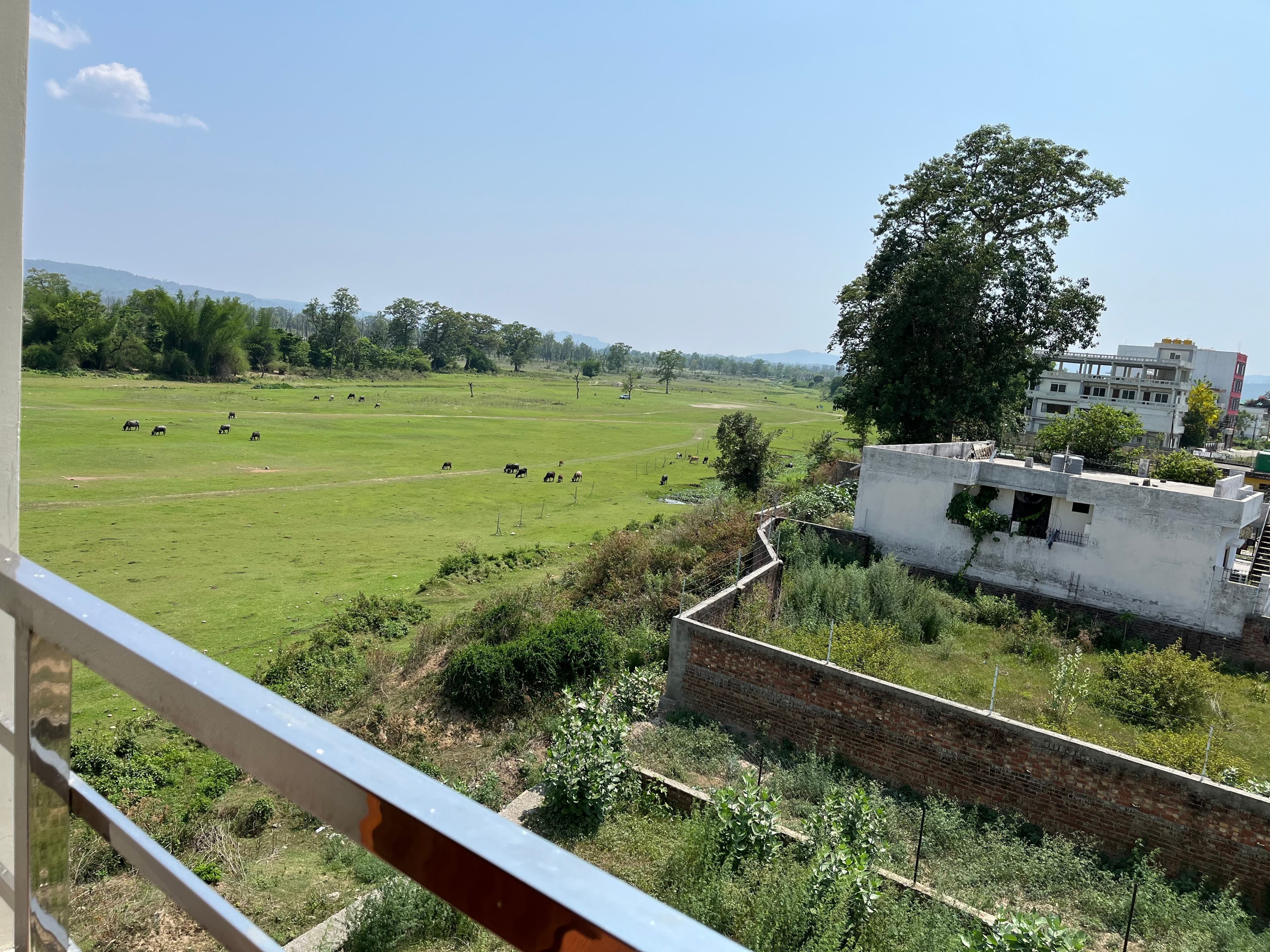
Yoga by the hills
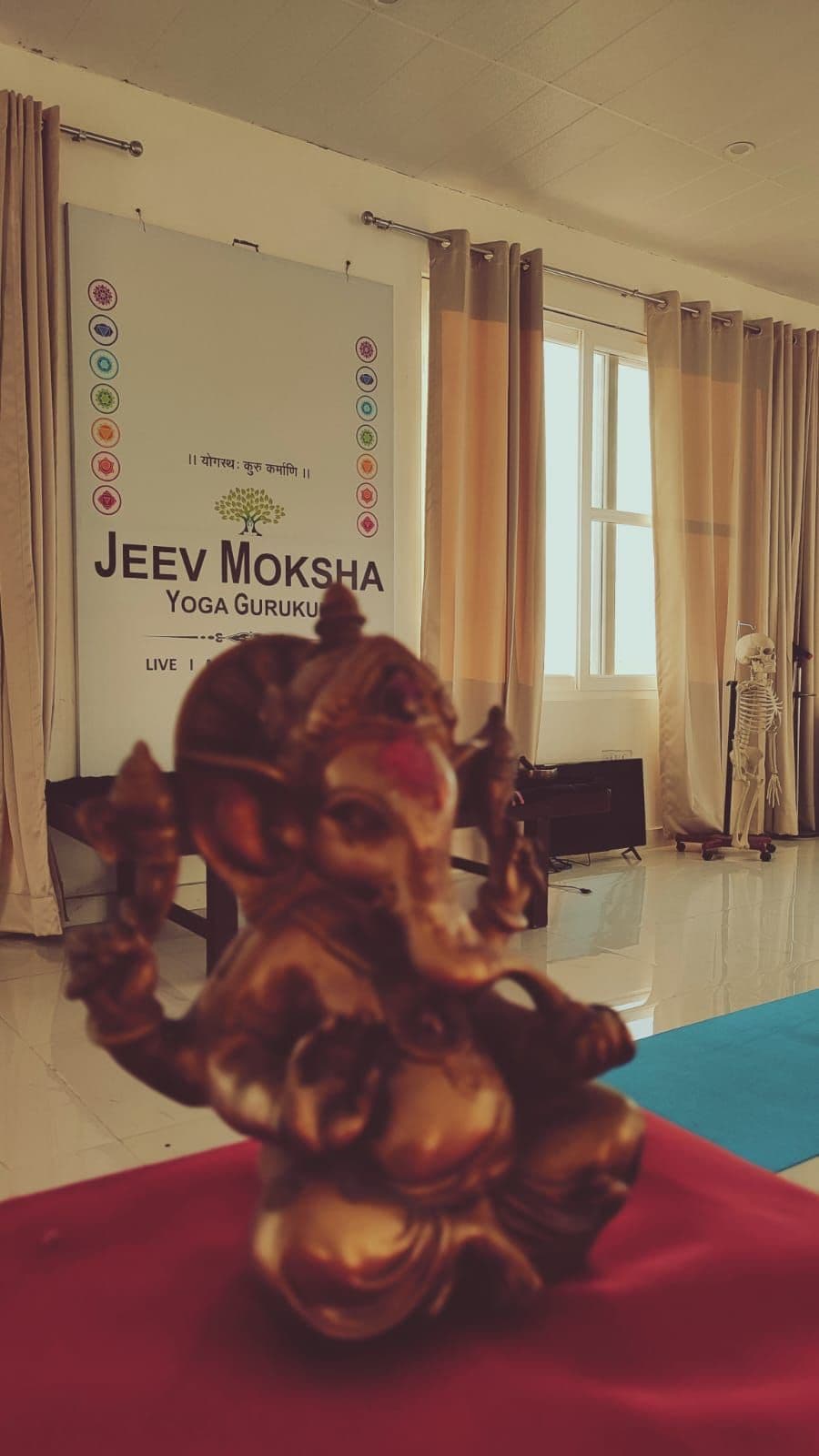
Gurukul setting

What Makes Jeevmoksha Yoga Different

We share what makes our school and tradition distinctive—without ego or boast. Jeevmoksha Yoga is not “just another” yoga school; it grows from a yogi’s calling to share this sacred art of wellbeing with humanity. Teachings and courses are crafted in a personalised way after years of contemplation, aiming to give you a real-time yoga experience.

Rishikesh is an ancient land of rishis and yogis who lived here seeking life’s deeper truths—and who wished to share what they realised with the world. The city has drawn sincere seekers for a very long time. For those who wish to go deep into the sacred tradition of yoga, Jeevmoksha is a meaningful place to study.

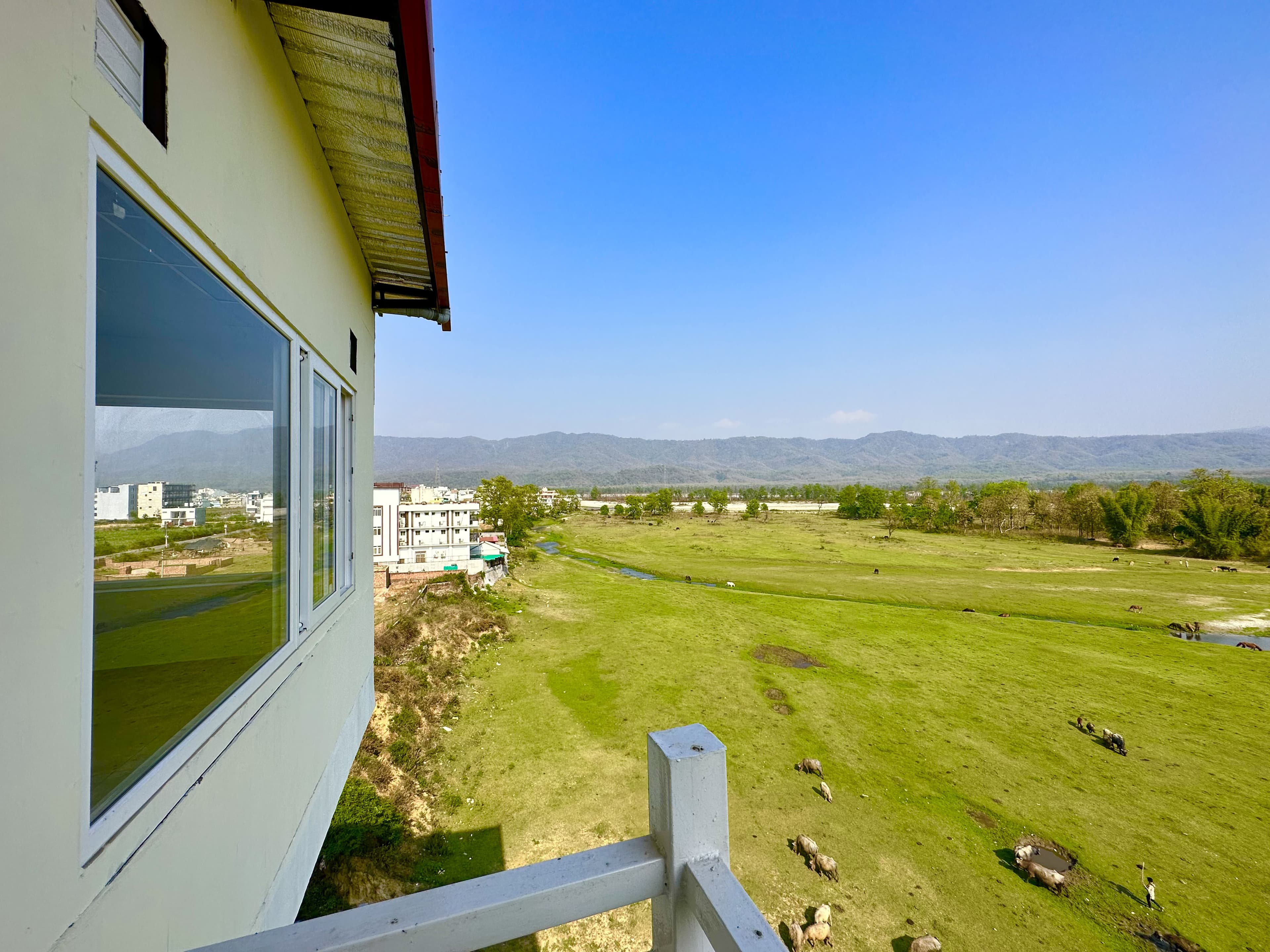
Beside the holy river Ganga, our school in Rishikesh sits away from chaotic, touristic crowds, in peace and calm. That setting offers a true getaway: a spiritual home that supports your growth on every level. Jeevmoksha is a family—you join a global companionship and community. The ashram ambience helps you feel held by the energy of Ganga and the Himalayas.

Best 500 Hour Yoga Teacher Training in Rishikesh

Rishikesh—the yoga capital of India. Jeevmoksha Yoga Gurukul sits on the banks of the Ganga, in the foothills of the Himalayas. The Gurukul is a home for yoga: a place to ground, focus time and energy on learning and practice, and absorb the curriculum in a charged, supportive atmosphere. India can feel intense at first; when you settle, many students feel held—and that spirit of care is part of how we host you.

Our teachers are strong in their fields, offering breadth across subjects. At Jeevmoksha you meet not only instructors but yogis who have spent years studying yoga as a living discipline.

Explore a wider field of knowledge and practical wisdom.

The 500-hour training is an intensive, immersive programme covering 200-hour and 300-hour level material so you complete the full 500-hour Yoga Alliance curriculum. You may complete it in one continuous period of about two months, or take 200 hours first and return for 300 hours to reach the 500-hour certification—depending on scheduling and prerequisites discussed at enrollment.

What Makes This Course Special?

  • Extensive course curriculum
  • Traditional yoga at the source
  • Well-balanced curriculum including philosophy and practice of yoga
  • Detailed study of yoga as a science of wellbeing
  • Ancient teachings presented in a contemporary format

Eligibility for the Course

The 500-hour course is for students who aspire to advanced teaching skills and a thorough grounding in the tradition. If you are serious about yoga as a profession, this path offers depth: roughly two months of concentrated training can equal a great deal of self-directed study spread over a longer informal period.

Our teachers work to help you absorb as much as possible and leave confident to teach professionally. The training emphasises asanas, alignment, adjustments, benefits, contraindications, sequencing for specific aims, and methodology—with added hours of practice and of teaching live classes.

The programme is recognised by Yoga Alliance USA, supporting your qualification to teach internationally.

Welcome to an experience of body, mind, and soul.

Why Jeevmoksha

Jeevmoksha Yoga Gurukul is a premier institute of yoga in Rishikesh. Set in the Himalayan foothills of the Shivalik range, Jeevmoksha is a serene study space where students can step away from modern pace and look deeply within. The surroundings are rich in nature and greenery—supporting the body with fresh air and prana for energy. Jeevmoksha works along traditional lines while paying equal attention to contemporary life. Classes blend physical, energetic, and mental techniques into a complete practice for the whole person. The Gurukul offers intensive yoga teacher training so students can shape their own self-practice and growth. Operating in an ashram environment with a dedicated YTTC space in Rishikesh, we share knowledge of ancient systems of self-healing and wellbeing. Yoga, Ayurveda, nature cure, and related approaches are woven into our programmes so more people can understand them and share them in their communities. That integrated approach makes Jeevmoksha a distinctive place to study yoga in India.

Accommodation & Meals

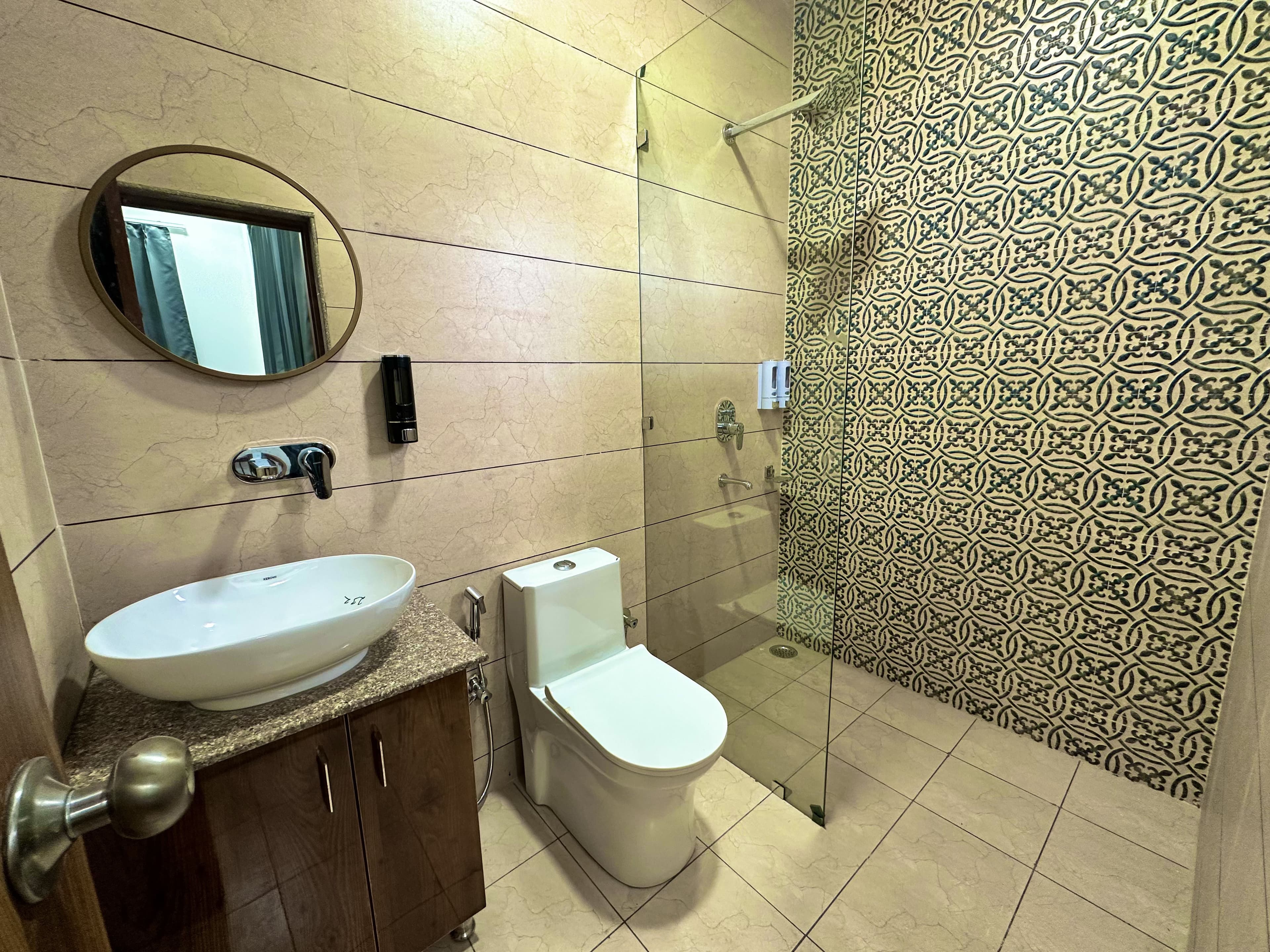
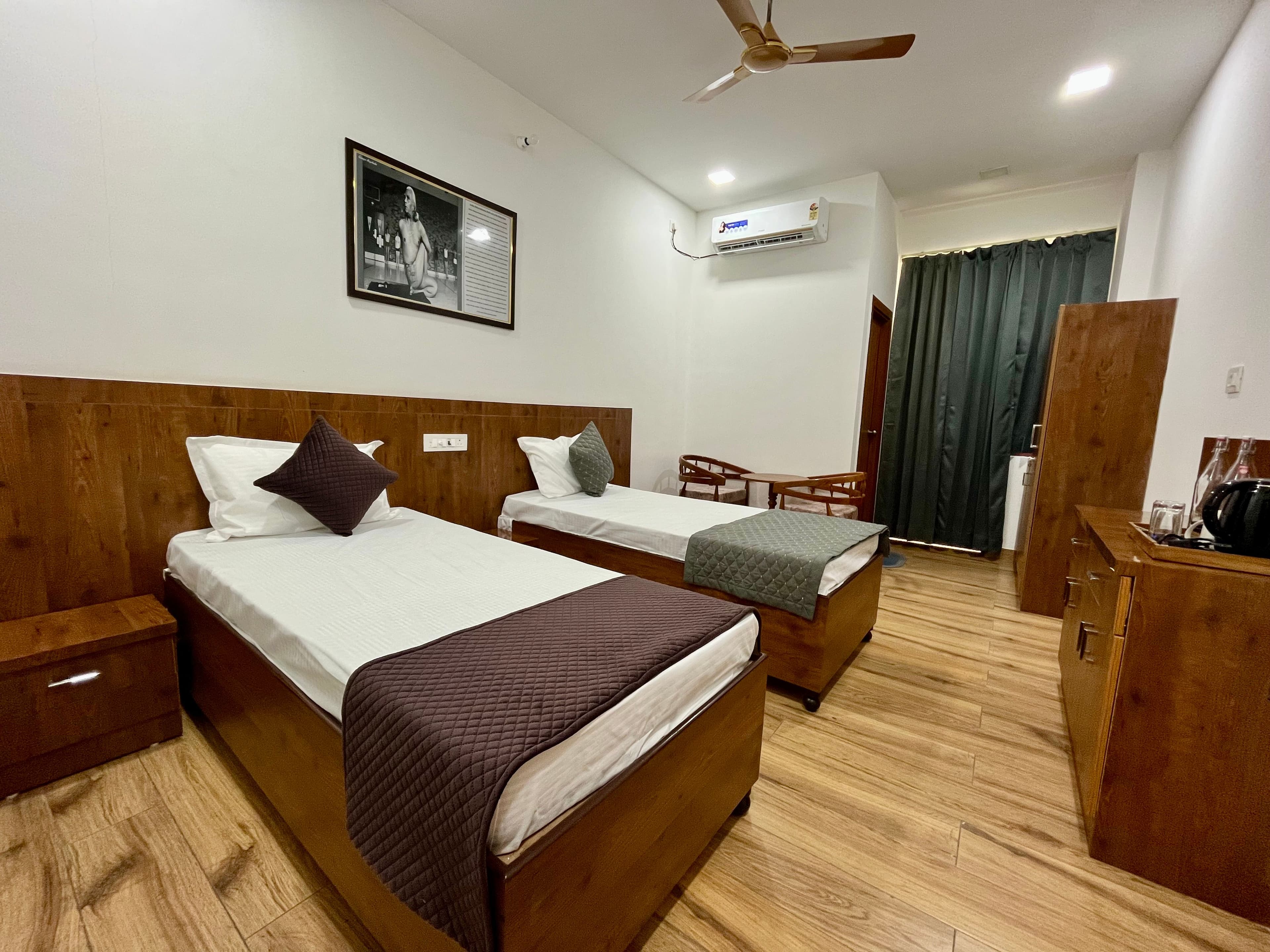
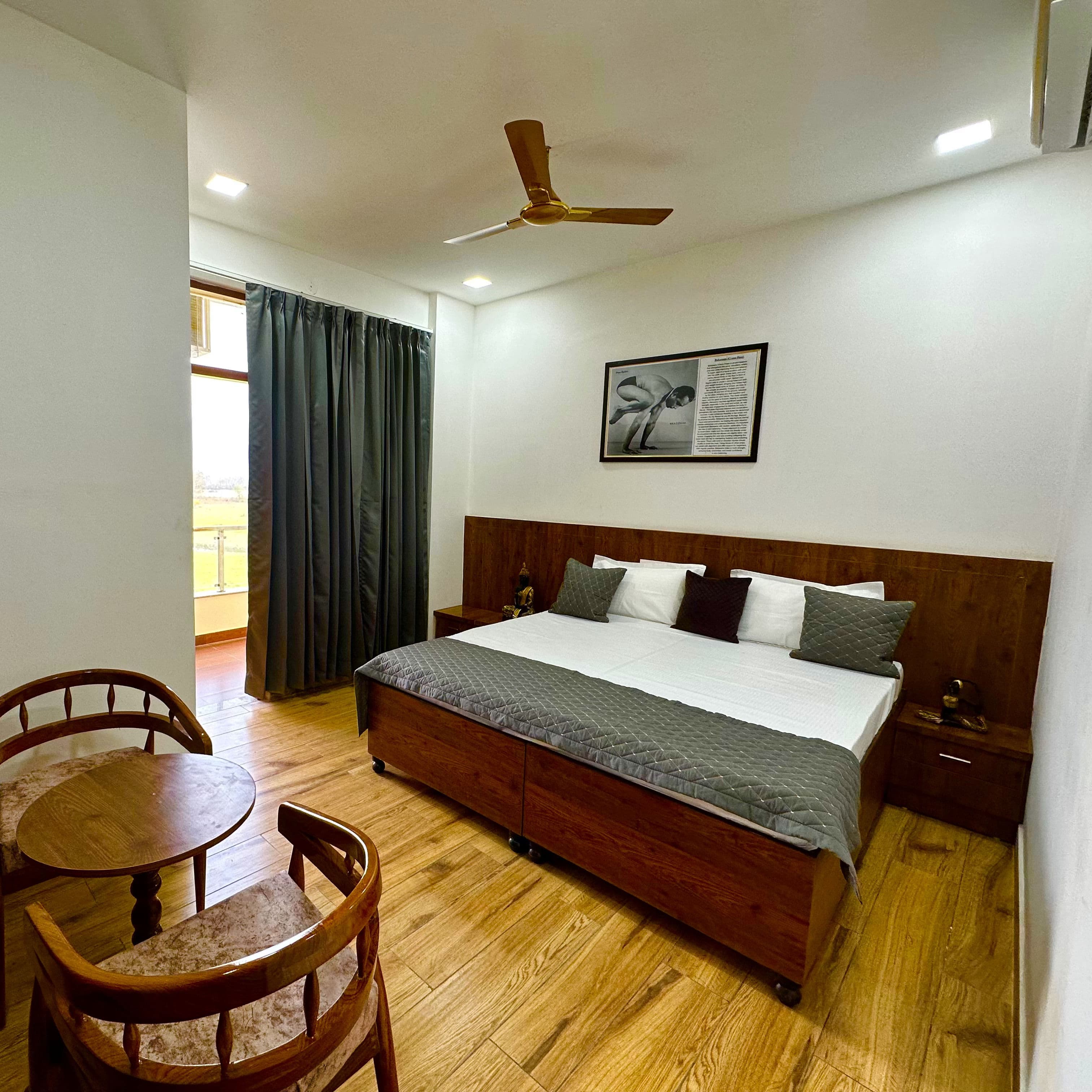
Shared or private accommodation is available at the Gurukul. Rooms are clean, ventilated, and Wi‑Fi is available across the property, with fresh water dispensers, laundry, and closets. Rooms are not air-conditioned.

  • Wi‑Fi access
  • Hot and cold running water
  • Attached toilet and bath in each room
  • CCTV
  • In-house manager
  • Well-equipped library

Annam Brahma — consciousness in food. Meals are sāttvic and vegetarian, with vegetables, lentils, grains, salads, rice, chapatis, sprouts, fruits, porridges, juices, and smoothies. We accommodate gluten-free and vegan preferences when you inform us in advance of any allergies or dietary needs.

Accommodation at Jeevmoksha Yoga Gurukul, Rishikesh
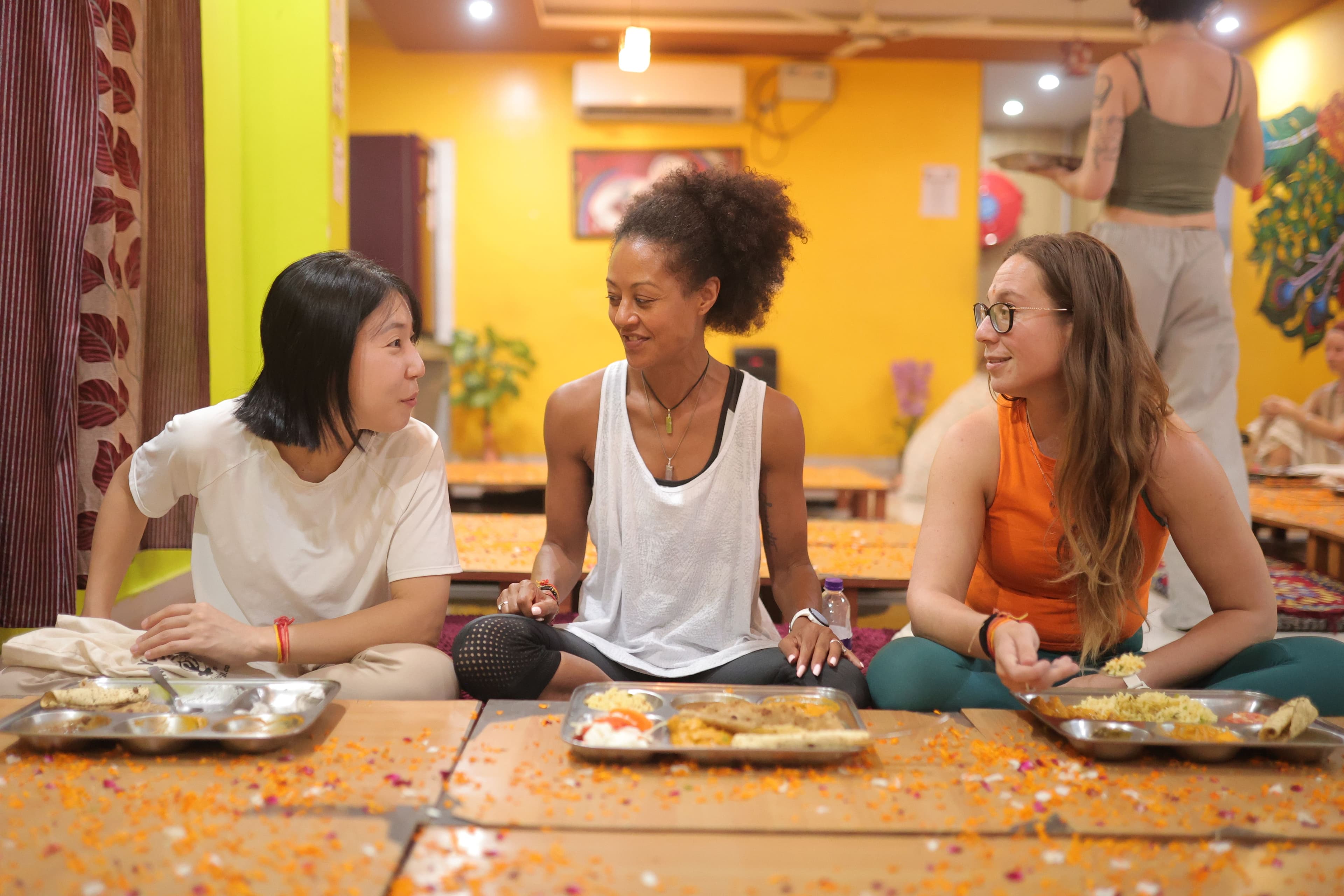
Sattvic meals served at Jeevmoksha Yoga
Comfortable rooms at the Gurukul
Shared and private accommodation options
Vegetarian sattvic food prepared fresh daily
Wholesome meals for yoga students and retreat guests
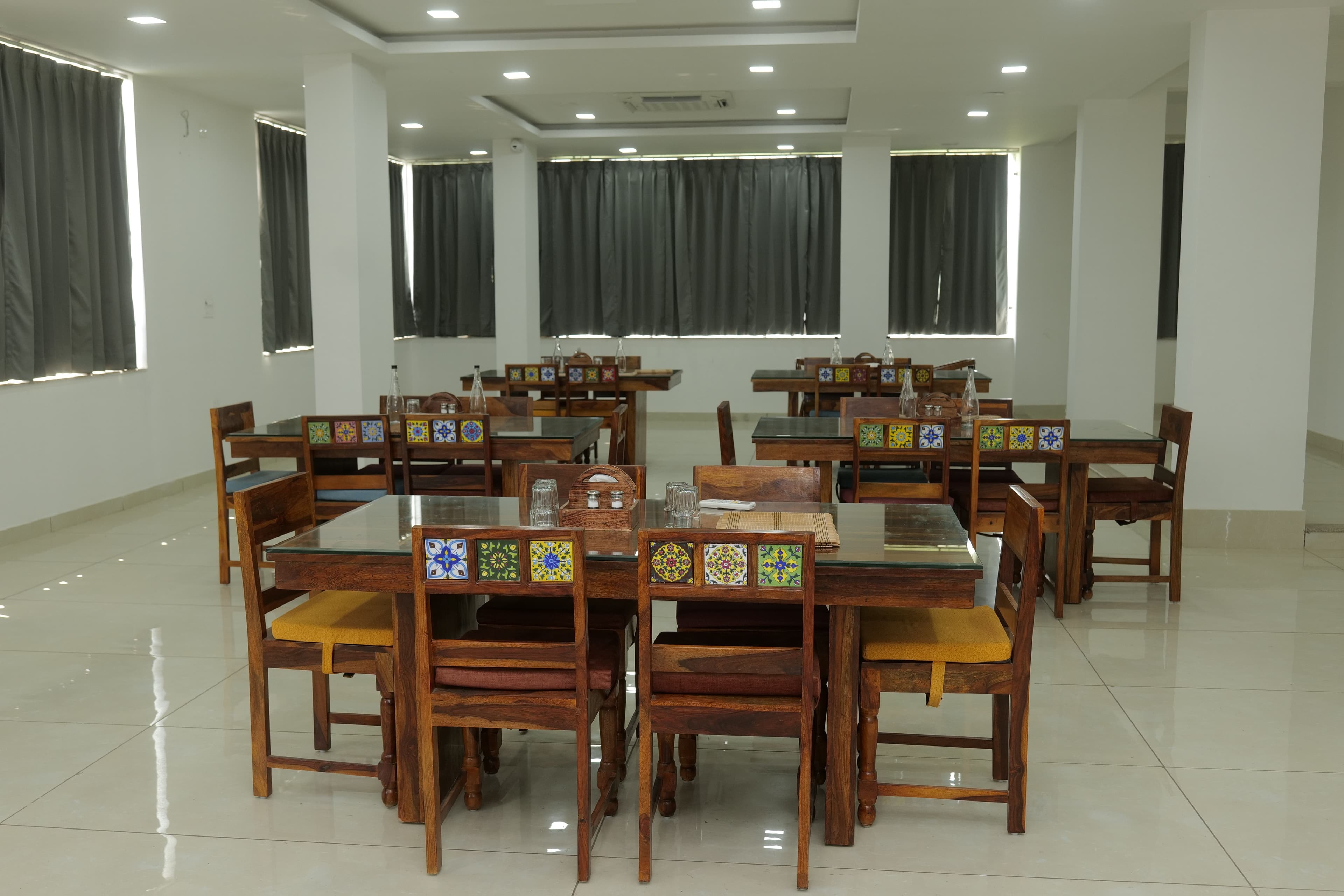
Dining and meal service at Jeevmoksha Yoga
Gurukul accommodation and living spaces

Please confirm the location and room type while making the reservation with us to avoid any disappointments later

Course & Curriculum

Asanas

Asanas are taught through a static Hatha approach and a dynamic Vinyasa approach. The following asanas are covered during the 500-hour YTTC, from foundational work through advanced variations.

  • Tadasana
  • Vrikshasana
  • Utthita Parsvakonasana
  • Utthita Trikonasana
  • Ardha Chandrasana
  • Parivrtta Parsvakonasana
  • Prasarita Padottanasana
  • Parsvottanasana
  • Parivrtta Trikonasana
  • Virabhadrasana I
  • Virabhadrasana II
  • Garudasana
  • Padangusthasana and Pada Hastasana
  • Utthita Hasta Padangusthasana
  • Jathara Parivartanasana
  • Navasana
  • Urdhva Prasarita Padasana
  • Plank
  • Vasisthasana
  • Salabhasana A & B
  • Bhujangasana
  • Urdhva Mukha Svanasana
  • Dhanurasana
  • Ustrasana
  • Kapotasana
  • Uttana Pristhasana
  • Setu Bandha Sarvangasana
  • Chakrasana
  • Matsyasana
  • Uttana Padasana
  • Viparita Karani
  • Halasana (variations / cycle)
  • Salamba Sarvangasana (cycle)
  • Karnapidasana
  • Salamba Sirsasana (supported)
  • Ardha Matsyendrasana
  • Marichyasana
  • Balasana
  • Supta Padangusthasana
  • Dandasana
  • Paschimottanasana
  • Upavistha Konasana
  • Baddha Konasana
  • Triang Mukha Eka Pada Paschimottanasana
  • Krounchasana
  • Gomukhasana
  • Padmasana
  • Savasana
  • Shaithilyasana
  • Siddhasana
  • Swastikasana
  • Vajrasana
  • Utthita Parsvakonasana (variations)
  • Utthita Trikonasana (variations)
  • Parivrtta Parsvakonasana (full)
  • Parivrtta Trikonasana (full)
  • Virabhadrasana III
  • Utthita Hasta Padangusthasana (variations)
  • Paripurna Navasana
  • Vasisthasana (variations)
  • Salabhasana III
  • Purna Bhujangasana
  • Purna Dhanurasana
  • Rajakapotasana
  • Purna Chakrasana (variations)
  • Niralamba Sarvangasana (unsupported)
  • Sirsasana (variations)
  • Purna Matsyendrasana
  • Marichyasana II & III
  • Paschimottanasana (variations)
  • Padmasana (full)
  • Natarajasana
  • Vatayanasana
  • Bhadrasana
  • Bharadvajasana (I & II)
  • Parivrtta Janu Sirsasana
  • Kurmasana
  • Tittibhasana
  • Bakasana
  • Eka Pada Bakasana
  • Garbha Pindasana
  • Lolasana
  • Vishvamitrasana
  • Vrschikasana
  • Adho Vrksasana
  • Hanumanasana
  • Kandharasana

How far each posture matures depends on individual capacity and conditions. We teach the breadth of the list above, but the goal is safe, intelligent progress—not forcing every shape to a textbook endpoint in one cohort.

Pranayama

  • Yogic breathing
  • Surya Bhedi
  • Ujjayi
  • Nadi Shodhana with antar kumbhaka (Level 1)
  • Bhastrika (advanced practice)
  • Bhramari (with kumbhaka)
  • Nadi Shodhana (with antar kumbhaka)
  • Sheetali, Sheetkari
  • Tribandha Pranayama
  • Prana Dharana

Shatkarma (cleansing processes)

  • Neti (nasal cleansing)
  • Kunjal Kriya (abdominal cleansing)
  • Trataka (psychic purification)
  • Agnisara Kriya
  • Kapalabhati
  • Danda Dhauti
  • Shankha Prakshalana (master cleansing)

Bandha

  • Mula Bandha
  • Uddiyana Bandha
  • Jalandhara Bandha
  • Maha Bandha

Mudra

  • Ashvini Mudra
  • Tadagi Mudra
  • Maha Mudra
  • Maha Vedha
  • Shambhavi Mudra

Meditation

  • Yoga Nidra
  • Antar Mouna (inner silence)
  • Breath-awareness meditation
  • Full moon meditation
  • Chakra meditation
  • Kundalini meditation
  • Soham meditation
  • Nada meditation

Yoga anatomy

Applied anatomy and physiology through a yogic lens:

  • Nervous system and yogic effects on brain and nerves
  • Skeletal system and structural impacts of yoga practices
  • Muscular system and yogic intervention in imbalances of posture and movement; reflexes and conscious muscle action; balancing flexion and extension
  • Digestive system, diet, and gut health; how yoga supports restoration
  • Respiratory system; breathing and mental wellbeing; yogic effects of breathing; breath–prana relationship
  • Cardiovascular system and heart care with yoga
  • Endocrine system; stress, hormones, and how yoga can support balance

Yoga philosophy

Themes explored in depth across the programme:

  • Introduction, origin, and history of yoga
  • Philosophy of yoga: principles of purification, relaxation, and harmonisation
  • Pancha Koshas: the five sheaths of existence
  • Annamaya kosha and organs of action
  • Pranamaya kosha and pranic classification; shat chakra; nadis; Kundalini; granthis
  • Manomaya kosha and organs of sense
  • Vijnanamaya kosha and subconscious states; samskara and birth
  • Anandamaya kosha and supraconsciousness; samadhi and pure awareness
  • Yoga as an evolutionary science
  • Consciousness and yoga
  • Elements of the universe: evolution according to Samkhya
  • Raja Yoga (yogic psychology): antahkarana
  • Chitta and its patterns (vrittis)
  • Gunas: prakasha, kriya, sthiti (characteristics of mind)
  • Prakriti and Purusha (observer and observed)
  • Three states of mind
  • Five types of mind
  • Obstacles of yoga and how to remove them
  • Kleshas: seeds of suffering
  • Types of samadhi
  • Ashtanga Yoga: eight stages toward balance and realisation
  • Yama: social codes of conduct
  • Niyama: moral codes of conduct
  • Asana: posture
  • Pranayama: breath control
  • Pratyahara: sensory withdrawal and settling the mind
  • Dharana: stabilising and channelling attention
  • Dhyana: meditation
  • Samadhi: attainment of ananda
  • Innate nature of individuals and classification of yoga
  • Karma yoga
  • Bhakti yoga
  • Jnana yoga
  • Raja yoga

Ayurveda

  • Principles of Ayurveda (dhatus and doshas)
  • Ayurvedic body types
  • Swasthavritta (the circle of health)

Teaching methodology

  • Constructive, effective skills for leading class and managing time
  • Qualities of a yoga teacher and ethical guidelines
  • Suitable environment for yoga practice
  • Demonstration, observation, assisting, correcting, and teaching style
  • Teacher manuals: principles, methods, and advantages of methods
  • Students’ learning process and adaptation

Mantra yoga

The sacred science of inner transformation:

  • Mantra meaning
  • Sacred syllables
  • Chanting: why and how
  • Types of chants
  • Effects of mantra on the brain
  • Types of mantras

Excursion With This Course

We introduce you to local culture through planned outings. Highlights typically include:

Ganga Aarti

Join the daily ritual at the banks of the Ganga—a powerful collective experience.

Sunrise in the Himalayas

Watch the sun rise behind the peaks—an unforgettable view and atmosphere.

Vashishtha Cave

Visit the cave associated with Rishi Vashishtha, central to Indian spiritual tradition.

River rafting

Seasonal white-water rafting when conditions allow.

Refund & Anti-Harassment Policy

Refund policy

The fee once paid is non-refundable. However, the amount may be adjusted to a future date within one year from enrollment if you cannot attend the course you registered for. You must inform the administration in advance; any transfer is solely at the discretion of Jeevmoksha after review of your reason for non-attendance.

Anti-harassment policy

Jeevmoksha Yoga Gurukul condemns harassment in any form. We maintain strict rules and policies for misconduct and take reports seriously.

Yoga Teacher Training Ethics

  • A sattvic lifestyle is expected for the full course: no intoxicants; meals stay simple and yogic.
  • Attend all sessions to support steady progress.
  • Friends or relatives are not present during class hours unless they are registered for the course.
  • Accommodation is simple and basic, with attached toilets; meals are plain and sattvic.
  • For grievances, contact the course coordinator.
  • Continued participation depends on conduct; candidature may be cancelled for misbehaviour or non-compliance, at Jeevmoksha’s discretion.

Please connect to us direclty confirm the dates & fees
Hari OM

Contact us